

- Licensed General Contractor · est. 2026
Expert Pipe Freezing, Hot Tapping and Flowmeter Calibration
Precision pipe freezing, line stopping, and hot tapping services alongside certified flowmeter and valve calibration—delivered by field-proven technicians built for critical industrial shut-offs.

Free estimates
On-site, itemized

Licensed & Insured
Bonded statewide

Satisfaction Guaranteed
100% workmanship

24/7 Emergency
Live dispatch
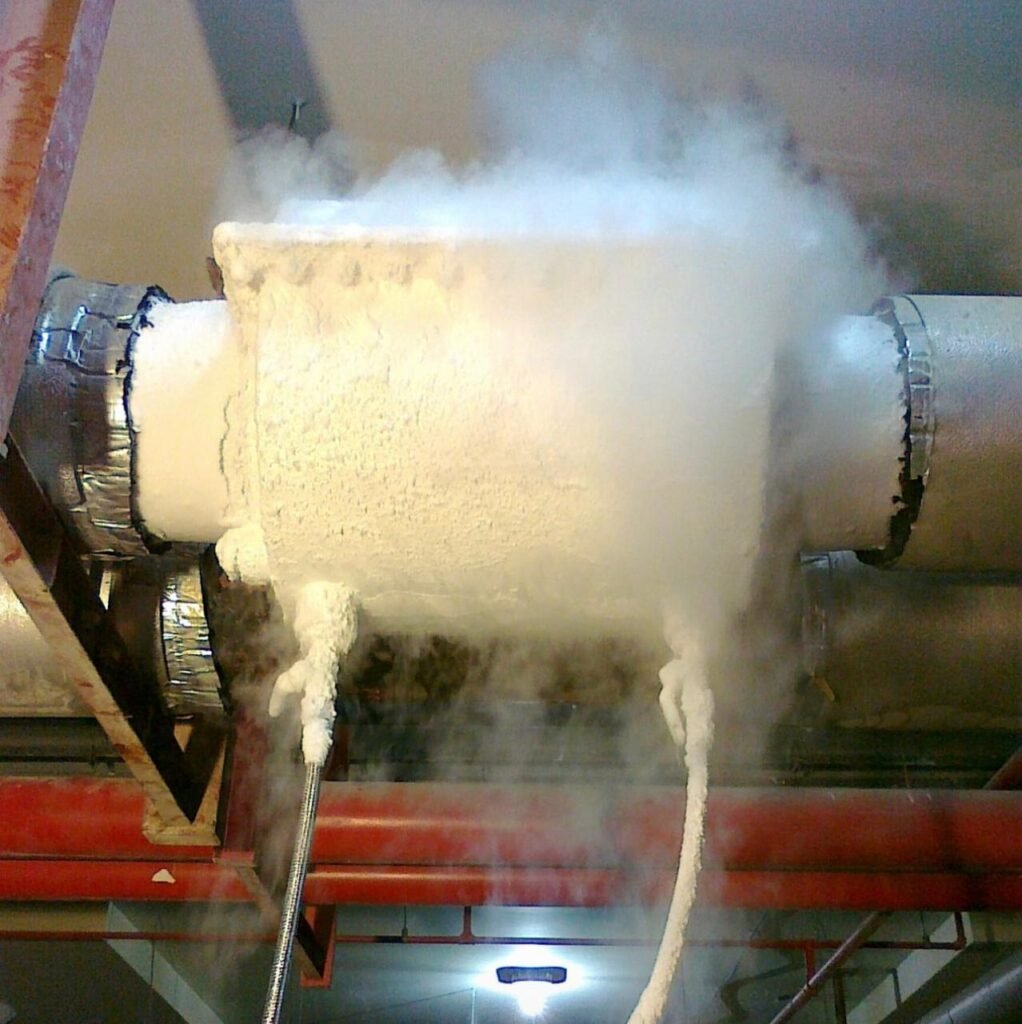

Pipe Freezing Services
Need a valve replaced without draining your entire plumbing system? Our professional pipe freezing service creates a temporary, controlled ice plug inside the pipe, isolating the work area safely.
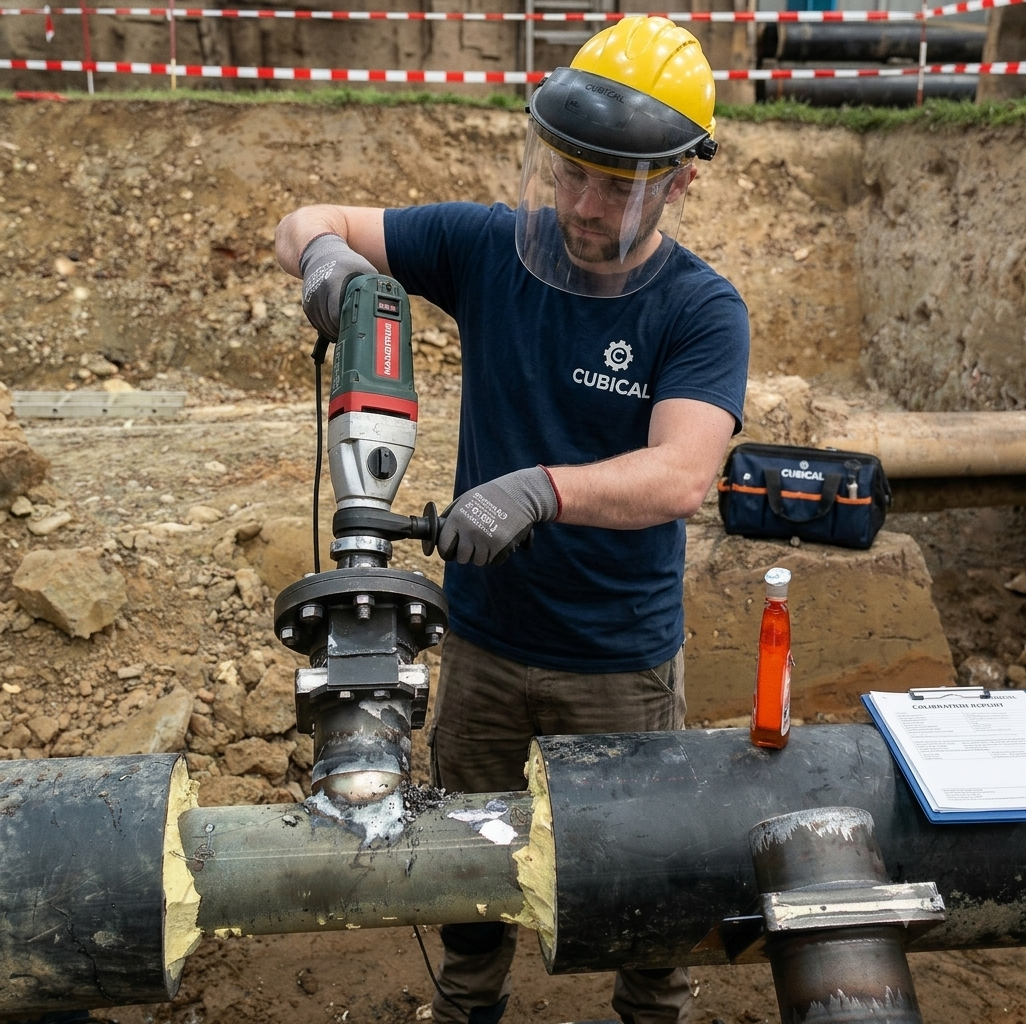
Hot Taping Services
Need a branch added or a valve replaced without shutting down your system? Our professional hot tapping service allows us to cut into live pressurized pipes safely.
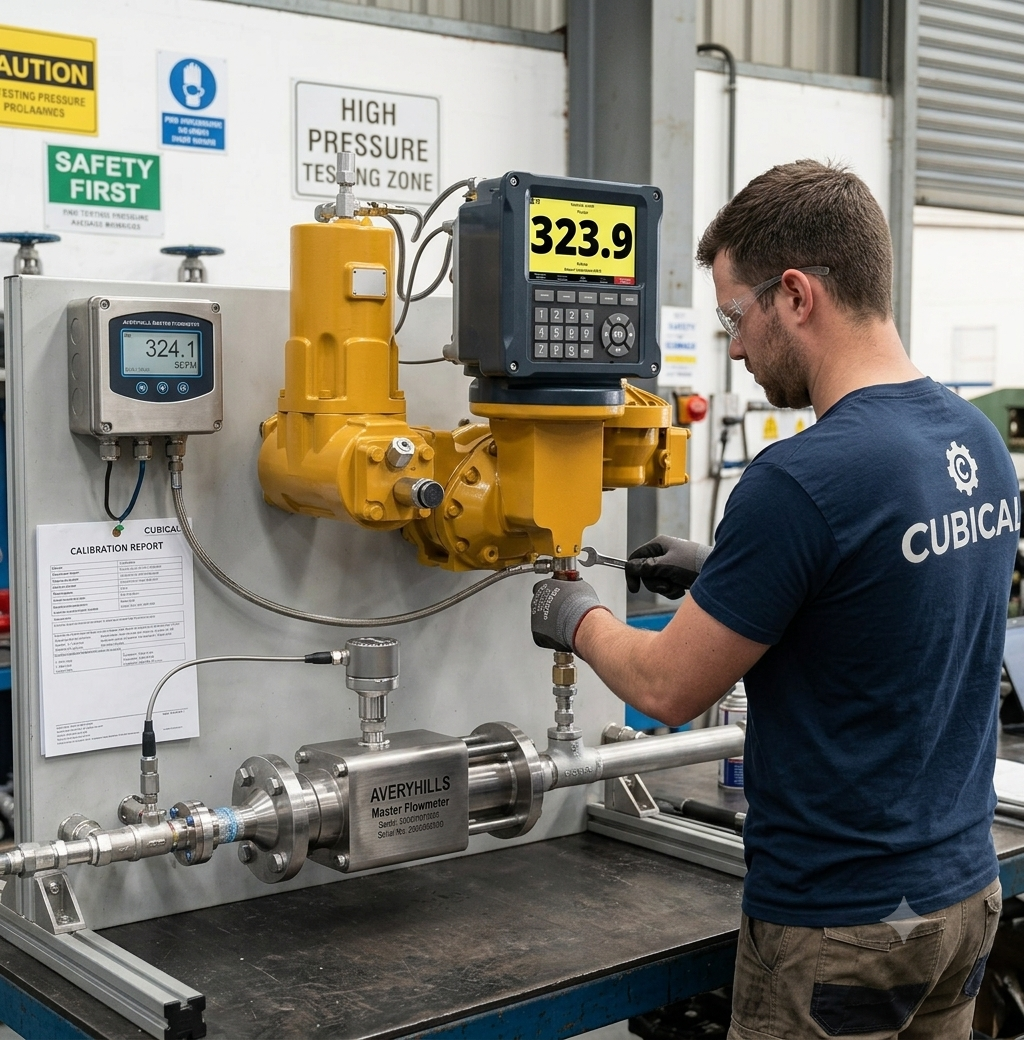
Flowmeter Calibration
Need an accurate reading for your current meter? Our professional flowmeter calibration service tests and verifies your equipment on-site. This eliminates expensive downtime, prevents compliance issues, and ensures your process measurements remain precise.
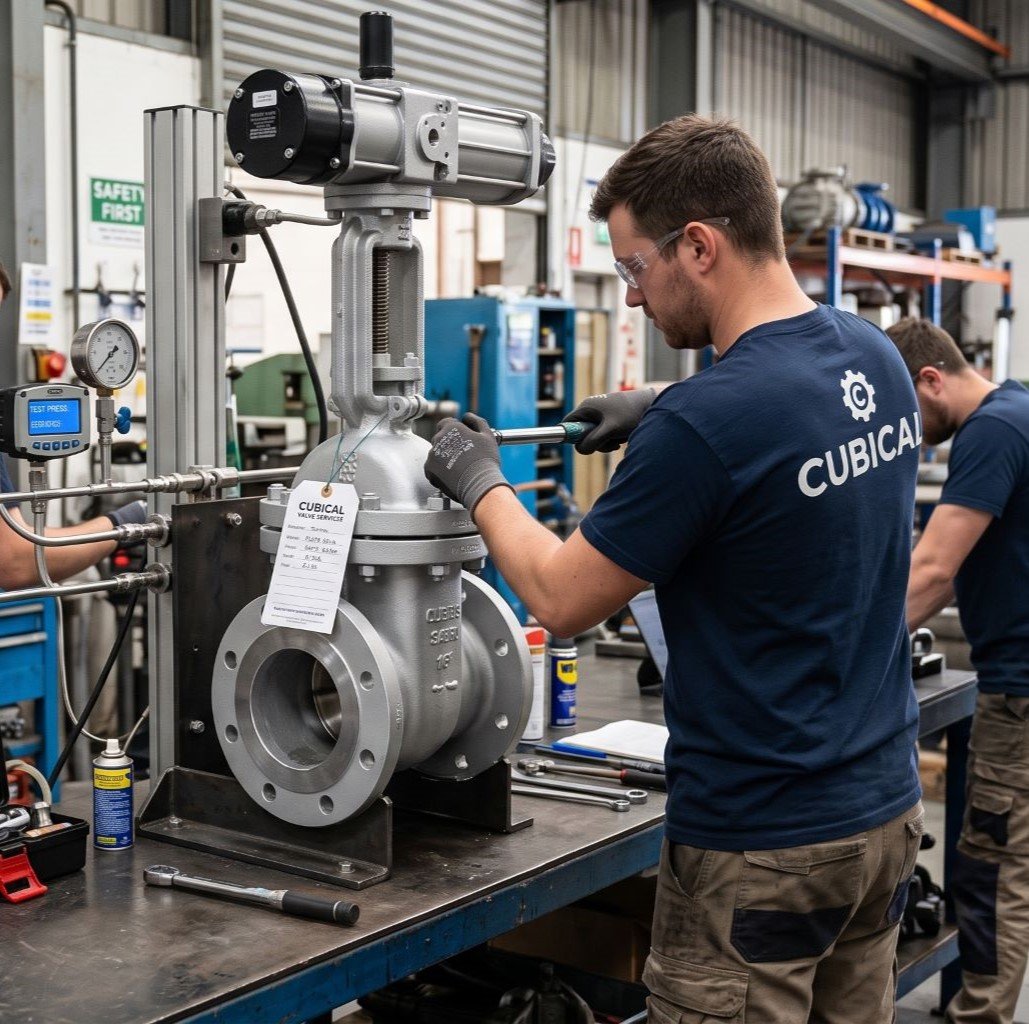
Valve Testing & Overhauling
We deliver end-to-end valve testing, inspection, and complete overhauling services to restore your critical control, safety, and isolation valves to peak operating condition.
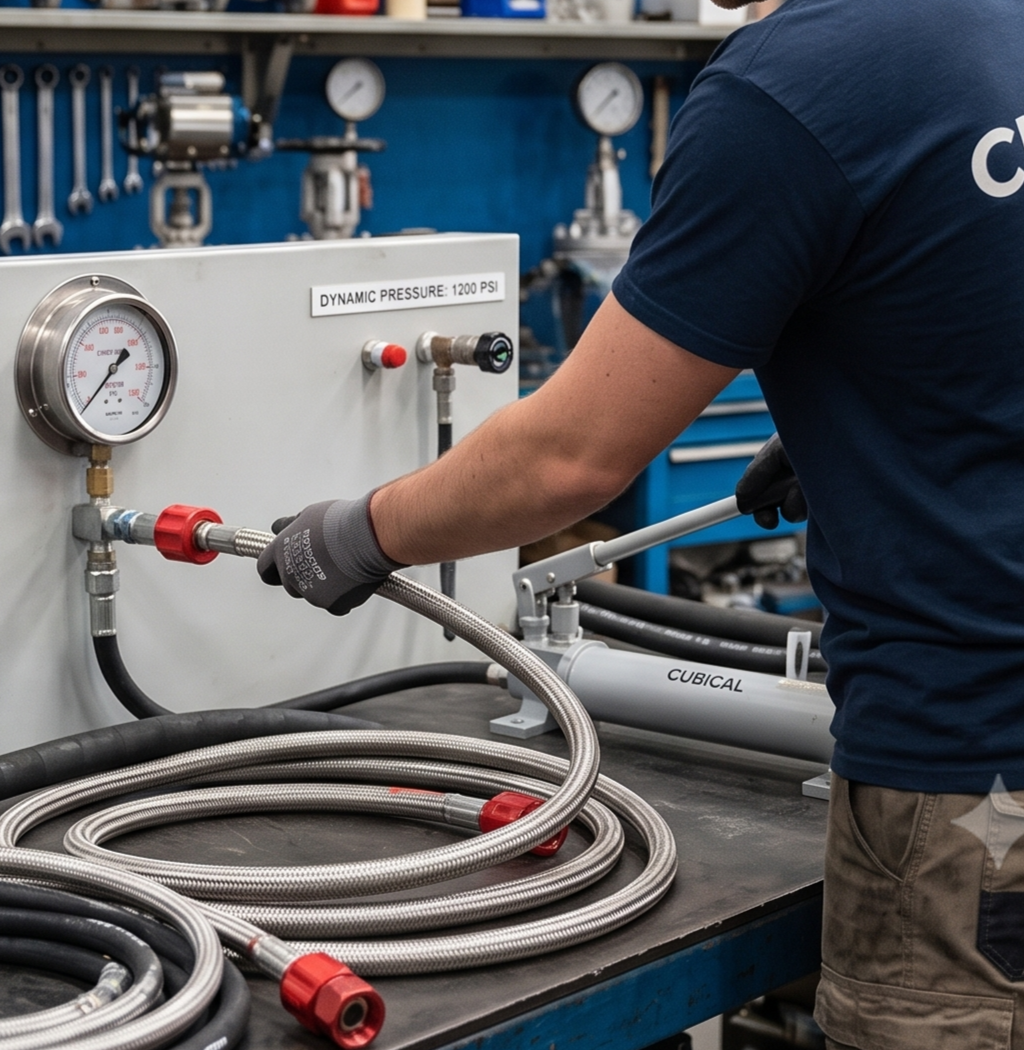
Pressure Testing
We provide certified hydrostatic and pneumatic pressure testing to verify the structural integrity and leak-tight performance of your pipelines, pressure vessels, and valves.
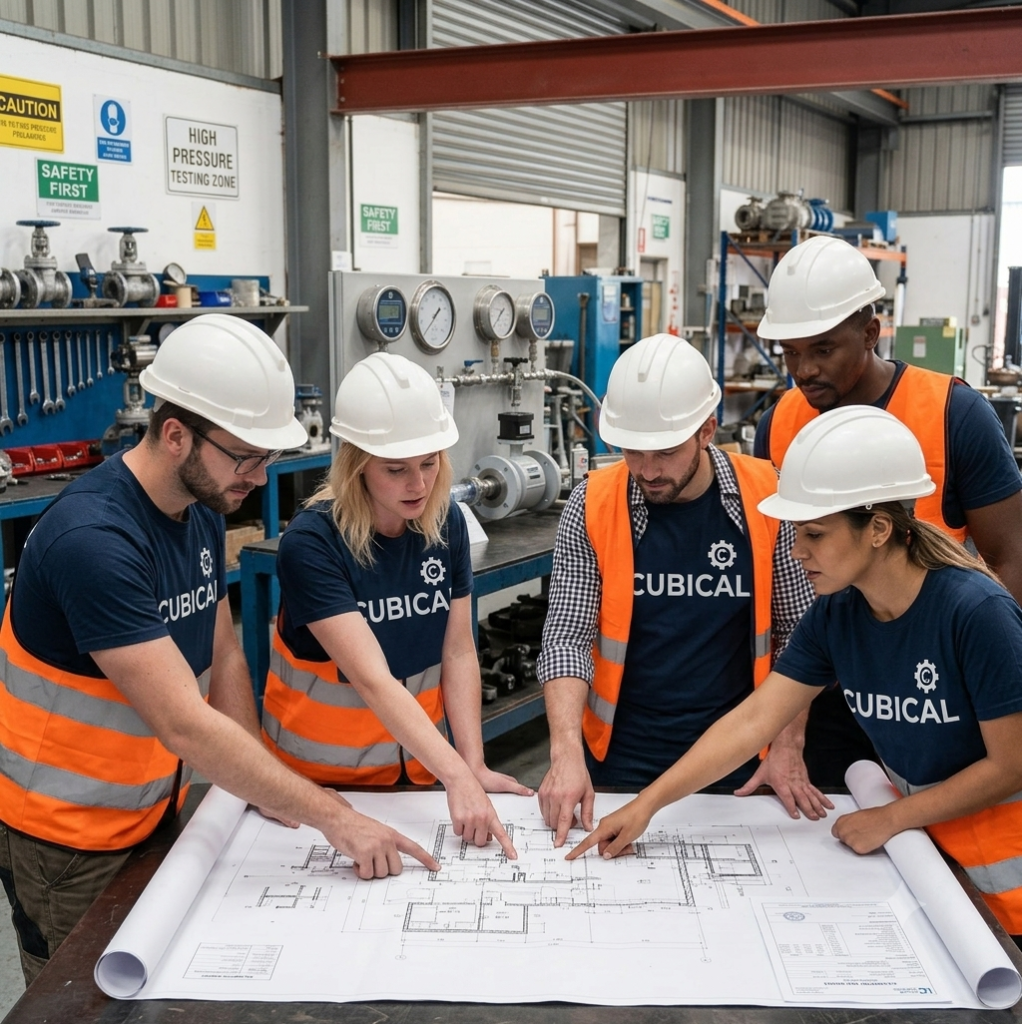
19+ years
Experienced Technicians.
- Why Choose Us
Small team. Big care. No middlemen.
Cubical operates as a tight-knit team of hands-on technical specialists delivering direct, personal care for every project. By eliminating middleman overhead, our field engineers work directly with you—ensuring uncompromised precision, rapid response times, and complete accountability across all your critical site operations.

Certified Technicians
Our technicians are fully trained, field-certified, and highly skilled.
Transparent Pricing
Our transparent pricing guarantees complete upfront clarity without hidden fees.
Local Reputation
Proudly serving our regional industry with a trusted, proven reputation
Trusted by 100+ leading clients
- How It Works
How Services Work at Your Location
We bring our certified technical services directly to your facility, scheduling work at your complete convenience to minimize operational downtime and maximize your process efficiency.
01
Schedule your service
Schedule your service with Cubical today—our certified technical team is ready to deliver fast, reliable on-site solutions tailored to your schedule.
02
Expert Inspection & Solution
Delivering high-quality solutions, our pipe freezing, tapping, and calibration services are tailored to meet your needs and exceed expectations.
03
Professional repair & Peace of mind
Delivering high-quality solutions, our construction and consultancy services are tailored to meet your needs and exceed expectations.
- Blogs
Pipeline & Calibration Technical Articles
-
1 minute
Exploring Pipe Freezing and Hot Tapping Services in the UAE
Understanding Pipe Freezing Services Pipe freezing is a specialized technique used to temporarily halt the flow of liquids…
-
1 minute
Exploring Professional Calibration and Testing Services
Introduction to Calibration Services Calibration is an essential process for ensuring the accuracy and reliability of electro-mechanical instruments.…
- FAQS
Frequently Asked Questions
We recommend calibrating critical flowmeters and control valves annually, or according to your facility’s standard operating procedures (SOPs) and ISO audit guidelines, to maintain precise fluid measurement and process safety.
While emergency pipe isolation and line stopping can be mobilized rapidly, standard on-site hot tapping and pipe freezing projects are typically scheduled 3 to 5 days in advance for site assessment and procedure approval.
High-pressure hoses and critical pressure vessels should undergo hydrostatic proof testing and visual inspection every 6 to 12 months to verify structural integrity and maintain site safety compliance.
Valve overhauls and line maintenance are best scheduled during planned facility turnarounds or shutdowns to minimize operational disruption and guarantee seamless technical execution.
Safety relief valves should undergo full overhauling, seat leak testing, and pressure re-certification every 12 to 24 months, depending on process severity, fluid medium, and local safety regulatory requirements.